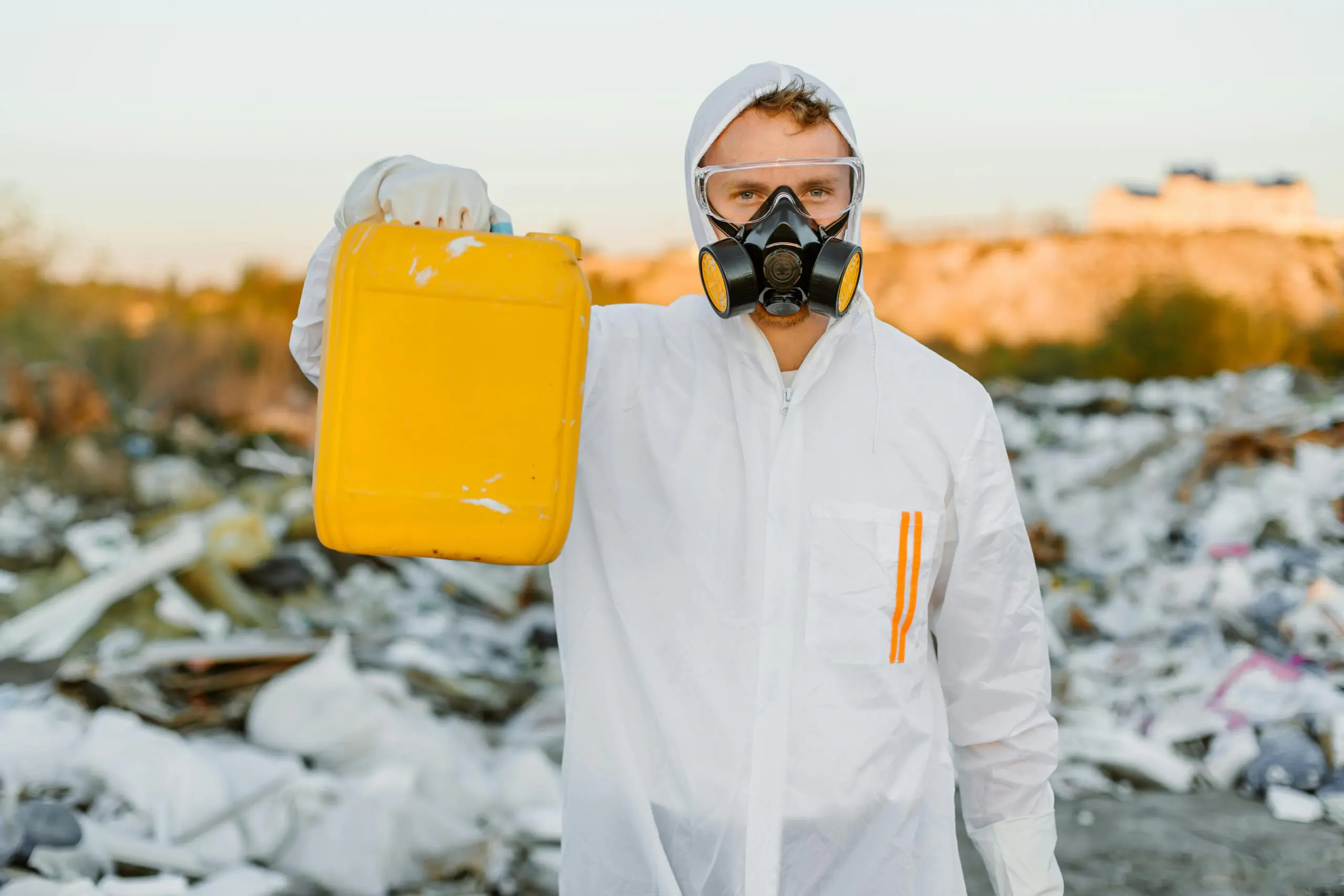
When tragedy strikes, the aftermath of an unexpected death leaves behind not only emotional devastation but also complex physical challenges. Families in Southern California often find themselves navigating uncharted territory, grappling with grief while simultaneously facing the daunting task of restoring a living space. This is precisely where the specialized expertise of professional death cleanup becomes invaluable.
Navigating the necessary remediation processes can be overwhelming, particularly when dealing with the presence of biohazards. Understanding the critical steps, from initial assessment to final decontamination, ensures a safe and healthy environment. Our compassionate and certified teams are dedicated to alleviating this burden, allowing you to focus on healing without the added stress of hazardous cleanup.
Finding Solace Amidst Tragedy: The Urgent Need for Expert Death Cleanup
Understanding the Emotional and Practical Challenges
The immediate aftermath of a death, especially one that is sudden, traumatic, or unattended, presents a unique set of challenges. Beyond the profound emotional toll of loss, families are often confronted with the practical realities of a contaminated environment. The presence of blood, bodily fluids, and other biological materials can be profoundly disturbing, exacerbating grief and making the space feel uninhabitable. Attempting to clean such a scene without professional training not only risks emotional re-traumatization but also exposes individuals to serious health hazards. Many are unaware of the microscopic pathogens that can linger, making a seemingly clean surface still dangerous. The sheer scope of work, from odor control to structural remediation, quickly becomes overwhelming for anyone without specialized equipment and expertise.
Why Immediate Professional Intervention Matters for Your Peace of Mind
Delaying professional death cleanup can lead to significant complications, both health-related and structural. Biological materials can quickly permeate porous surfaces like carpets, drywall, and subflooring, creating persistent odors and fostering the growth of mold and bacteria. This deterioration not only compromises the property’s integrity but also poses long-term health risks to occupants. Immediate intervention by certified technicians ensures that all biohazards are contained, neutralized, and removed before they can cause further damage or spread. This rapid response is crucial for restoring the affected area to a safe, sanitary, and livable condition, providing families with the essential peace of mind they need to begin their healing process. For instances of OSHA’s official website. Furthermore, understanding environmental guidelines is crucial, as outlined by the EPA.
Specialized Training for Safe and Thorough Remediation
The expertise required for effective biohazard cleanup goes far beyond standard cleaning practices. Our technicians undergo specialized training that covers microbiology, pathology, chemistry, and advanced decontamination techniques. This includes understanding different types of biohazards, their potential for transmission, and the specific agents needed to neutralize them effectively. Training also encompasses the safe removal of contaminated porous and non-porous materials, odor elimination, and preventing cross-contamination. This comprehensive knowledge ensures that every aspect of the cleanup is handled with precision and scientific rigor, guaranteeing a thoroughly remediated environment. They learn to identify potential hidden dangers and employ methods that conventional cleaners simply cannot.
Protecting Your Health and Property from Hidden Dangers
One of the most critical aspects of professional biohazard cleanup is the ability to identify and mitigate hidden dangers. Bloodborne pathogens, viruses, and bacteria can remain viable on surfaces for extended periods, posing silent threats. Furthermore, the decomposition process can generate noxious gases and persistent odors that penetrate deep into structural elements. Without proper equipment and expertise, these unseen hazards can lead to long-term health issues, respiratory problems, or allergic reactions for future occupants. Certified technicians use specialized equipment, such as ATP meters, to test for biological residue and ensure complete sanitation, thereby protecting both the physical integrity of your property and the well-being of its inhabitants.
The Comprehensive Process of Professional Death Cleanup and Decontamination
Thorough Assessment, Containment, and Biohazard Removal
The professional cleanup process begins with a meticulous assessment of the scene to identify all affected areas and potential biohazards. This initial evaluation helps develop a precise remediation plan. Next, the area is carefully contained using specialized barriers to prevent cross-contamination to unaffected parts of the property. Technicians then proceed with the careful removal of all visible biohazardous materials, including blood, bodily fluids, and contaminated personal items. Every step is documented, and all materials are handled with extreme caution, ensuring no further risk of exposure. This systematic approach is fundamental to safeguarding both the technicians and the property’s occupants.
Advanced Cleaning, Disinfection, and Sanitation Techniques
Once bulk biohazards are removed, the focus shifts to comprehensive cleaning, disinfection, and sanitation. Our teams utilize industrial-grade cleaning agents and disinfectants specifically formulated to neutralize pathogens and eliminate odors at their source. Surfaces are thoroughly scrubbed, treated, and then often vaporized with specialized sanitizers to ensure deep penetration and complete microbial eradication. Non-porous materials are meticulously disinfected, while porous materials that have been compromised are safely removed and disposed of. This multi-step process goes beyond surface-level cleanliness, targeting even microscopic contaminants to restore the environment to a clinically clean state.
Safe and Compliant Disposal of Contaminated Materials
The final, crucial stage involves the safe and compliant disposal of all biohazardous waste. This is a highly regulated aspect of the cleanup process. All contaminated materials, from soiled textiles to structural elements, are carefully packaged in approved biohazard bags and containers. These materials are then transported and disposed of according to strict local, state, and federal regulations for medical waste. Our commitment to proper disposal protects public health and the environment, preventing the spread of infectious agents. We provide documentation of compliant disposal, offering additional peace of mind that the entire process has been handled responsibly and ethically.
Serving Southern California: Local Expertise Where You Need It Most
Providing Rapid Response Across Los Angeles, Orange County, and San Diego
In times of crisis, prompt action is paramount. Our strategically located teams ensure a rapid response across major metropolitan areas in Southern California. Whether you require crime scene cleanup in Riverside to discreet biohazard aftermath in San Bernardino, our mobile units are fully equipped to handle diverse situations in both urban and more rural settings, bringing professional care directly to your doorstep.
Our Commitment to SoCal Families and Businesses
As a local Southern California business, we are deeply invested in the health and well-being of our community. Our commitment goes beyond technical proficiency; it encompasses empathy, discretion, and unwavering support during difficult times. We understand the unique challenges and cultural nuances of the diverse communities we serve, and we strive to provide services that are not only effective but also respectful and compassionate. For families and businesses grappling with the aftermath of trauma, we are a trusted partner, dedicated to restoring safety and normalcy with the highest standards of professionalism and care.
The Non-Negotiable Standard: Why Certified Biohazard Technicians Are Essential
The complexities of biohazard cleanup demand more than just standard cleaning practices; they require specialized expertise. This is why the role of certified biohazard technicians is absolutely non-negotiable. Our team comprises professionals who have undergone rigorous training and certification processes, adhering to the strictest industry standards set by organizations like the
EPA and OSHA. These certifications are not merely badges; they represent a profound understanding of infectious disease control, chemical handling, and the safe removal and disposal of hazardous materials. Relying on uncertified individuals or standard cleaning services for biohazard situations can lead to incomplete remediation, cross-contamination, and significant health risks. Our technicians are equipped with advanced personal protective equipment (PPE), state-of-the-art remediation tools, and a deep knowledge base to effectively neutralize and decontaminate affected areas, ensuring a safe environment for occupants and preventing further hazards.
Emergency Biohazard Remediation: Available 24/7 for Immediate Assistance
Emergencies don’t keep business hours, and neither do we. Our biohazard remediation services are available 24 hours a day, 7 days a week, including holidays. We understand that critical situations require immediate attention to mitigate risks and restore safety as quickly as possible. Whether it’s a sudden accident, unattended death, or a crime scene, you can count on us for an unwavering commitment to rapid and effective response. Our dispatch system is designed for swift mobilization, ensuring that help is on its way the moment you contact us. We prioritize discretion and professionalism from the first call to the final clearance, providing 24/7 support when you need it most.
Addressing All Types of Traumatic Scenes with Care and Precision
Traumatic events, regardless of their nature, leave behind scenes that require specialized attention far beyond standard cleaning protocols. Certified professionals are equipped to handle a wide spectrum of biohazardous situations, ensuring safety, discretion, and thorough remediation. This expertise is crucial for restoring environments affected by death, violence, or accidents, bringing a sense of closure and health back to the affected areas. The goal is not merely to clean, but to meticulously decontaminate and restore a property to a safe and habitable condition, respecting the gravity of the situation and the needs of those involved.
The process involves a deep understanding of biological hazards, specialized equipment, and stringent safety procedures. Each scene presents unique challenges, demanding tailored approaches to effectively neutralize risks and eliminate unseen contaminants. This comprehensive approach guarantees that every aspect of the biohazardous material is addressed, from surface contamination to deep-seated biological matter and potent odors. Professionals in this field prioritize a rapid yet careful response, understanding that timeliness is often critical in preventing further degradation and psychological distress.
Unattended Death Cleanup: Restoring a Sense of Normalcy
When an unattended death occurs, the natural biological processes of decomposition begin, posing significant health risks and creating overwhelming odors. These scenes, often discovered days or weeks after the event, require immediate and expert intervention. Professionals specializing in unattended death cleanup in Orange County and surrounding areas understand the urgent need to address the biological hazards and restore a semblance of normalcy. This type of cleanup involves the removal of all biological matter, thorough disinfection, and potent odor neutralization to make the space safe and livable again.
The decision criteria for professional intervention are clear: the presence of decomposing biological materials and the potential for widespread contamination. DIY attempts are not only ineffective but can exacerbate the problem, leading to lingering health hazards and structural damage. Specialized techniques are employed to reach and eliminate all traces of biological contaminants, which can penetrate porous materials like carpets, subflooring, and even wall structures. The compassionate approach of these cleanup crews is vital, offering support and guidance during an already difficult time.
Suicide and Homicide Cleanup: Sensitive and Discreet Remediation
Scenes involving suicide or homicide are among the most emotionally challenging and biohazardous that professionals encounter. These situations demand an extreme level of discretion, compassion, and technical expertise. The objective is to meticulously clean, decontaminate, and restore the area while treating the space and its occupants with the utmost respect. The emotional impact of such events is profound, and the cleanup crew’s role extends beyond physical remediation to offering a quiet, supportive presence.
Key decision points for engaging professional services in these scenarios include the presence of blood and other bodily fluids, the need for thorough disinfection against bloodborne pathogens, and the requirement for absolute privacy. Pitfalls of attempting DIY cleanup include incomplete removal of biohazards, potential for cross-contamination, and the immense emotional burden on individuals already experiencing grief or trauma. For instance, a blood spatter can extend further than initially perceived, requiring specialized tools and techniques for complete eradication and sanitization, as seen in crime scene cleanup in Riverside.
Industrial Accident Cleanup: Specialized Biohazard Management
Industrial accidents, while often distinct from domestic trauma scenes, can generate equally dangerous biohazardous situations. These can range from chemical spills to incidents involving machinery and biological materials. The remediation process requires a deep understanding of industrial processes, chemical safety, and specific biohazard protocols. Professionals must be equipped to handle a diverse array of hazardous substances, often in complex environments, ensuring the safety of workers and the surrounding community.
Decision criteria for industrial biohazard cleanup include the type and volume of hazardous materials, the potential for environmental contamination, and the need for compliance with strict industry regulations. Pitfalls of inadequate cleanup can include long-term environmental damage, severe health risks to individuals exposed to residual contaminants, and significant legal repercussions. Examples might involve cleaning up sites contaminated by blood or other biological fluids in a meat processing plant or a facility where animal research is conducted. The meticulous application of biohazard remediation in Los Angeles is paramount.
Understanding the Hidden Risks: What Makes a Scene Biohazardous?
A biohazardous scene is far more than just visually dirty; it harbors unseen dangers that can pose serious health threats. These risks stem from the presence of biological materials that can transmit disease. Understanding what constitutes a biohazard is the first step in appreciating the necessity of professional remediation services. These materials can include blood, bodily fluids, tissues, and other potentially infectious materials (OPIMs) that can harbor dangerous pathogens like HIV, Hepatitis B and C, and MRSA. The presence of these elements requires more than just surface cleaning; it demands thorough disinfection and containment protocols.
The depth of the risk often goes unnoticed by untrained individuals. Biological fluids can seep into porous materials, spread through ventilation systems, and remain viable for extended periods if not properly neutralized. This necessitates a professional approach that utilizes advanced detection methods and specialized cleaning agents to ensure complete eradication. The unseen nature of these threats underscores why professional intervention is not a luxury but a critical necessity for public health and safety.
Identifying Bloodborne Pathogens and Biological Contaminants
Bloodborne pathogens (BBPs) represent a significant and often invisible threat at biohazardous scenes. These infectious microorganisms are present in blood and other potentially infectious materials (OPIMs) and can cause serious diseases in humans. Identifying and neutralizing these pathogens is a core function of biohazard remediation. Professionals are trained to recognize the risks associated with these contaminants, even when they are not visually apparent, and to employ EPA-registered disinfectants and specific protocols to eliminate them effectively. This includes understanding how these pathogens transmit and implementing multi-layered containment strategies.
Key decision criteria for identifying biological contaminants involve recognizing any situation where human blood, bodily fluids, or tissues may be present. Pitfalls of improper identification include the potential for serious illness, cross-contamination spreading pathogens to unaffected areas, and failure to meet regulatory standards for infectious waste. For instance, a small amount of dried blood on a surface may still harbor viable pathogens that require specialized cleaning, a process essential in situations like dead body cleanup services in San Diego.
The Dangers of Decomposition and Odor-Causing Bacteria
Decomposition is a natural process, but in a residential or commercial setting, it becomes a significant biohazard and a source of pervasive, deeply unpleasant odors. As organic matter breaks down, it releases volatile organic compounds (VOCs) and creates an environment conducive to the growth of bacteria and other microorganisms. These odors are not merely an aesthetic issue; they are a symptom of biological breakdown and can indicate the presence of harmful bacteria and toxins. Effective remediation requires not only the removal of the source material but also the neutralization of airborne contaminants and the deep cleaning of affected surfaces and structures.
The primary decision criterion here is the presence of decomposing organic matter, regardless of the visual appearance of the scene. Pitfalls of neglecting decomposition-related hazards include persistent, unmanageable odors, potential for mold growth, and the risk of respiratory issues or allergic reactions from airborne contaminants. The bacteria produced can also pose health risks if not properly eradicated, making professional odor removal and disinfection crucial in areas like biohazard aftermath cleanup in San Bernardino.
Preventing Cross-Contamination and Future Health Risks
Preventing cross-contamination is paramount in any biohazard cleanup operation. This involves a meticulous process of containment, containment, and decontamination to ensure that hazardous materials are not spread from the affected area to unaffected parts of the property or to the cleanup personnel. Proper use of personal protective equipment (PPE), specialized containment barriers, and dedicated cleaning and disposal protocols are essential to achieve this. Without these measures, even a professionally cleaned scene could inadvertently pose future health risks to its occupants.
Key decision points for preventing cross-contamination revolve around the consistent application of containment strategies and proper waste disposal. Pitfalls include the reuse of contaminated equipment, inadequate cleaning of tools and vehicles, and failure to properly seal and dispose of biohazardous waste according to strict regulations. This rigorous approach is essential, whether dealing with a minor incident or a large-scale event such as expert crime scene cleanup in Los Angeles.
Beyond Surface Cleaning: The Pitfalls of DIY Death Cleanup Efforts
While the instinct to manage a difficult situation yourself might be strong, attempting DIY cleanup of biohazardous scenes, particularly those involving death, carries significant risks. Standard cleaning methods are insufficient to address the complex biological hazards present. Professional biohazard remediation goes far beyond surface wiping; it involves specialized knowledge, equipment, and processes to ensure the complete elimination of pathogens, biological matter, and associated odors. Relying on consumer-grade cleaning products and techniques can lead to incomplete decontamination, leaving behind unseen dangers and creating a false sense of security.
The primary pitfall of DIY attempts is the underestimation of the biological threats involved. Without the proper training and equipment, individuals can easily fail to identify all contaminated areas, leading to lingering health hazards. Furthermore, the emotional and psychological toll of cleaning such scenes can be overwhelming, potentially exacerbating existing trauma. Professional services are designed to handle these challenges efficiently and safely, minimizing risk to both the property and the individuals involved.
Incomplete Disinfection and Lingering Health Hazards
A major pitfall of DIY death cleanup is the inevitable incomplete disinfection. Blood, bodily fluids, and other biohazardous materials can penetrate porous surfaces like carpets, upholstery, subflooring, and even drywall. Standard cleaning agents and methods are often incapable of reaching these deeper layers or effectively neutralizing all the pathogens present. This leaves behind invisible threats that can continue to pose health risks, potentially leading to infections, respiratory problems, or the spread of disease long after the initial cleanup attempt. The failure to achieve a truly sterile environment is a critical oversight.
Decision criteria for recognizing the inadequacy of DIY efforts include the persistence of odors, the reappearance of stains, or any lingering concerns about cleanliness. Pitfalls are numerous: exposing oneself and others to dangerous pathogens, failing to meet legal requirements for biohazard disposal, and ultimately having to hire professionals anyway, often at a greater expense due to the need for more extensive remediation. For example, residual bacteria from an unattended death scene, if not thoroughly eradicated, can lead to ongoing health issues, unlike the comprehensive solutions offered for death cleanup in Los Angeles.
Emotional Toll and Potential for Further Trauma
Engaging in DIY biohazard cleanup, especially after a traumatic event like a death, can inflict a significant emotional toll. Individuals are often already grieving or experiencing immense stress, and the task of cleaning up biological materials adds a profound layer of distress. Witnessing and interacting with the aftermath of such events can be deeply disturbing, potentially leading to or exacerbating conditions like PTSD, anxiety, and depression. The process can also trigger further trauma by forcing a prolonged and intimate engagement with the event itself.
The decision to avoid DIY cleanup is often driven by the recognition of this emotional burden. Pitfalls of attempting it include delayed emotional healing, increased psychological distress, and the potential for lasting psychological scars. Professionals provide a necessary buffer, handling the grim aspects of the cleanup with expertise and compassion, allowing individuals to focus on their recovery and grief process. This sensitive handling is a hallmark of services like expert crime scene remediation in LA.
Legal and Regulatory Compliance for Hazardous Waste Disposal
One of the most significant and often overlooked pitfalls of DIY biohazard cleanup is the failure to comply with legal and regulatory requirements for handling and disposing of hazardous waste. Blood, bodily fluids, and other contaminated materials are classified as medical waste and are subject to strict federal, state, and local regulations. Improper disposal can lead to substantial fines, legal penalties, and environmental damage. Professionals are trained and certified to handle, transport, and dispose of biohazardous waste in accordance with all applicable laws, ensuring safe and legal outcomes.
The critical decision point here is the understanding that biohazardous waste requires specialized handling. Pitfalls include improper containment, mixing with regular trash, and using unapproved disposal sites, all of which carry severe legal consequences. For instance, infectious waste must be collected in designated containers and transported by licensed haulers. Adhering to these stringent guidelines is a non-negotiable aspect of professional services, ensuring all remediation efforts meet the high standards set by organizations like the Environmental Protection Agency and state health departments.
24/7 Emergency Response: Compassionate Care, Anytime You Need It
Biohazardous events rarely adhere to a convenient schedule. Whether it’s an unattended death discovered on a holiday weekend or a crime scene requiring immediate attention, the need for rapid response is critical. Certified cleanup professionals offer 24/7 emergency services, understanding that swift action is essential to mitigate risks, prevent further damage, and begin the healing process. This round-the-clock availability ensures that help is accessible precisely when it is needed most, providing immediate support and expert intervention to restore safety and order.
The hallmark of effective emergency response is not just speed but also the delivery of compassionate and professional service. Professionals arrive equipped with the necessary knowledge, specialized equipment, and a deep understanding of the sensitive nature of these situations. Their aim is to manage the biohazard efficiently while offering a discreet and respectful presence, recognizing the profound emotional impact on those affected. This dual focus on efficacy and empathy is crucial during times of crisis.
Discreet and Respectful Service in Your Time of Need
Discretion and respect are not optional extras in biohazard cleanup; they are fundamental requirements. Professional services understand that the scenes they encounter are often deeply personal and emotionally charged. Therefore, every aspect of the operation, from the arrival of the crew to the handling of materials and communication with clients, is conducted with the utmost sensitivity. Unmarked vehicles, professional conduct, and a commitment to privacy are standard protocols. The goal is to resolve the biohazardous situation effectively while minimizing any additional stress or public exposure for the individuals involved.
Key decision criteria for choosing a service include their commitment to privacy and their demonstrated ability to handle sensitive situations with empathy. Pitfalls of less reputable services can include intrusive practices, lack of confidentiality, and a failure to grasp the emotional context of the event. Professional teams are trained to be unobtrusive and to prioritize the well-being and dignity of everyone involved, ensuring a smooth and respectful remediation process, akin to the approach taken for compassionate death cleanup services in Los Angeles.
Assistance with Insurance Claims and Documentation
Navigating the aftermath of a biohazardous event often involves dealing with insurance claims, which can be a complex and time-consuming process. Professional cleanup services understand this challenge and often provide comprehensive documentation to support insurance submittals. This includes detailed reports of the services performed, the extent of contamination, the materials used, and the disposal methods, all crucial for validating the necessity and scope of the cleanup. This support can significantly alleviate the administrative burden on families and property owners during an already difficult period.
The decision to select a service that offers insurance assistance is a practical one, saving time and reducing stress. Pitfalls of not having this support include claim delays, denied claims due to insufficient documentation, and out-of-pocket expenses that could have been covered. Professionals ensure that all necessary paperwork is meticulously prepared, aligning with insurance requirements and facilitating a smoother claims process for incidents ranging from unattended deaths to crime scenes, demonstrating their commitment beyond just the physical cleanup.
Beyond Surface Cleaning: The Pitfalls of DIY Death Clean Up Efforts
While the impulse to handle a biohazardous situation yourself might stem from a desire for control or to save costs, it’s crucial to understand the profound risks and limitations of DIY death cleanup. Biohazards are not merely unsightly messes; they are potential vectors for serious infectious diseases. Professional biohazard remediation specialists undergo rigorous training and employ specialized equipment and chemicals that are far beyond the reach of the average consumer. Attempting to clean up bodily fluids, decomposition matter, or other biohazardous materials without proper training, personal protective equipment (PPE), and disinfectants can lead to severe health consequences, including the transmission of pathogens like Hepatitis B and C, HIV, and other bacteria and viruses.
Furthermore, DIY efforts often fail to address the invisible contamination. Biohazardous materials can penetrate porous surfaces such as subflooring, drywall, and even the structural elements of a building. Surface cleaning, no matter how thorough, will not eliminate these deep-seated contaminants. This can lead to persistent odors, continued health risks, and a failure to decontaminate the environment properly. The emotional toll of attempting such a task can also be immense, potentially exacerbating grief and trauma. Reputable biohazard cleanup services, in contrast, are equipped to identify, contain, and thoroughly remediate all affected areas, ensuring a safe and healthy environment is restored, a service that is irreplaceable when dealing with the aftermath of events like biohazard cleanup services in Ventura County.
Advanced Techniques for Complete Odor Removal and Property Restoration
Effectively addressing biohazard scenes goes far beyond superficial cleaning. For situations involving decomposition or significant biological contamination, advanced odor removal and thorough property restoration are paramount. These processes require specialized knowledge, industrial-grade equipment, and a deep understanding of how biological matter interacts with building materials. Initial cleanup removes visible contaminants, but the lingering scent of decomposition can permeate porous surfaces like wood, drywall, and carpeting, requiring a more aggressive approach. Specialists employ a multi-stage strategy that often includes thermal fogging, ozone treatments, and enzymatic cleaners to break down odor-causing molecules at their source.
The decision-making process for restoration often hinges on whether materials are salvageable or require removal. For instance, certain types of carpeting or subflooring heavily saturated with biofluids may be beyond restoration and necessitate professional demolition and disposal. Pitfalls to avoid include relying solely on air fresheners or temporary masking agents, which do not solve the underlying issue and can create a false sense of security. Proper containment during cleaning is also critical to prevent cross-contamination to unaffected areas of the property, particularly in multi-unit dwellings or commercial spaces. The goal is not just to eliminate odor but to restore the environment to a safe and healthy state.
Structural cleaning involves meticulously addressing areas that are not immediately visible but can harbor odor and biohazards. This includes accessing wall cavities, crawl spaces, and HVAC systems. For example, if a deceased individual was undiscovered for an extended period, decomposition fluids can seep through flooring into the subfloor and even the ceiling joists below. Restorative cleaning professionals use specialized tools like borescope cameras to inspect hard-to-reach areas and employ targeted treatments. Sanitization protocols must meet or exceed regulatory standards, often involving EPA-registered disinfectants proven effective against a wide range of pathogens. This ensures that the property is not only odor-free but also free from biological risks, safeguarding the health of future occupants. This level of detailed work is crucial after events such as unattended death cleanup, where biological decomposition can be extensive.
Targeting Persistent Odors from Decomposition and Biological Material
Decomposition produces complex organic compounds that are notoriously difficult to eliminate. These volatile organic compounds (VOCs) can linger in the air and embed themselves deep within building materials. Initial cleaning steps focus on removing visible organic matter, but for complete odor remediation, a deeper attack is necessary. Techniques like thermal fogging use specialized equipment to vaporize cleaning and deodorizing solutions, allowing them to penetrate porous surfaces and neutralize odor molecules. This process is performed in a controlled environment, ensuring thorough coverage without damaging materials.
Another powerful method is the use of ozone generators. Ozone (O3) is a highly reactive gas that oxidizes and breaks down odor-causing molecules. However, its application requires strict safety protocols, as ozone can be harmful to humans and pets. Services are performed in unoccupied spaces, with thorough ventilation afterwards to remove residual ozone. Enzymatic cleaners are also invaluable; these solutions contain biological enzymes that break down organic waste at a molecular level, effectively digesting the source of the odor rather than just masking it. The selection of the right deodorizing agent depends on the specific type of biological material and the materials affected. For instance, an unattended death scenario in a residential home in Los Angeles might require a different combination of treatments than a similar incident in a commercial setting.
The challenge with biological odors is their ability to reappear if not fully eradicated. Incomplete cleaning can lead to odors resurfacing, especially with changes in temperature or humidity. Therefore, a comprehensive strategy is essential. This often involves multiple applications of different treatment methods. Air scrubbing with HEPA filters and activated carbon is also used to remove airborne particulates and odor molecules. The objective is to achieve a complete return to a neutral scent profile, signaling that the biological contaminants have been successfully neutralized and the property is safe for reoccupation. This meticulous approach is fundamental to restorative biohazard cleanup.
Structural Cleaning and Sanitization Beyond the Obvious
Beyond visible surfaces, biohazard remediation professionals must consider the hidden areas where biological fluids and odors can penetrate. This includes the structural components of a building, such as subflooring, wall cavities, and insulation. When dealing with situations like a homicide or suicide, bodily fluids can seep through gaps and cracks, contaminating these unseen areas. Specialized tools like borescope cameras allow technicians to inspect these spaces without extensive demolition, identifying the full extent of contamination. Once identified, these areas require targeted cleaning and sanitization.
For porous materials like wood, drywall, or untreated concrete, contamination can be particularly deep-seated. In such cases, encapsulation or removal and replacement might be necessary. Encapsulation involves applying a specialized sealant to lock in any remaining odor molecules, while removal and replacement are required when contamination is too severe. Sanitization protocols are rigorous, utilizing hospital-grade disinfectants and virucides to eliminate all potentially harmful pathogens. This ensures the space is not only free from odor but also biologically safe. For example, a property requiring professional dead body cleanup services in San Diego will have its entire structure assessed for potential biohazard penetration.
HVAC systems are another critical consideration. Airborne contaminants can circulate throughout a property via ductwork, requiring professional cleaning and, in severe cases, sealing or replacement of affected components. The goal of structural cleaning and sanitization is to ensure the long-term health and safety of the property. This meticulous approach goes beyond surface-level cleaning, addressing the root causes of biological contamination and odor to restore the property to a habitable and safe condition. The expertise of certified professionals is crucial in understanding how biological matter interacts with different building materials and applying the most effective remediation techniques.
Choosing a Trusted Partner for Certified Death Cleanup in SoCal
Selecting a qualified professional for biohazard cleanup, especially after a death, is a decision that carries significant weight. The complexities involved demand a high level of expertise, specialized equipment, and a commitment to safety and discretion. When searching for a provider, look for companies that are certified and adhere to industry best practices. Certification typically involves rigorous training and adherence to strict protocols for handling hazardous materials, ensuring that the cleanup is performed safely and effectively. A trustworthy provider will be transparent about their methods, pricing, and the scope of their services.
Consider the provider’s experience with the specific type of incident you are facing, whether it’s an unattended death, a trauma scene, or biohazard remediation after an accident. Reviews and testimonials from previous clients can offer valuable insights into their professionalism, compassion, and thoroughness. Furthermore, a reputable company will be fully licensed and insured, providing peace of mind that they meet all legal and regulatory requirements. Understanding their response time is also crucial, as biohazard situations often require immediate attention to prevent further contamination and mitigate health risks. For those in need of services in the Inland Empire, engaging with a provider experienced in crime scene cleanup in Riverside is advisable.
The emotional toll of dealing with a death or traumatic event is immense. Therefore, choosing a partner that demonstrates compassion and understanding is paramount. They should be able to guide you through the process with sensitivity, answering your questions clearly and providing support during a difficult time. The right team will prioritize not only the technical aspects of the cleanup but also the well-being of the individuals involved, offering a discreet and respectful service. Their commitment should extend to restoring the property to a safe and habitable condition, allowing families to begin the healing process.
Key Questions to Ask Your Biohazard Cleanup Provider
When engaging a biohazard cleanup service, asking pertinent questions upfront can ensure you are partnering with a competent and trustworthy organization. A critical initial inquiry should revolve around their certifications and training. Reputable companies will hold certifications from recognized industry bodies, demonstrating their adherence to safety and remediation standards. Inquire about their experience with the specific type of biohazard situation you are facing, such as unattended deaths, homicides, or industrial accidents, as each presents unique challenges and requires tailored approaches. For example, if dealing with a situation in San Bernardino, ask about their familiarity with biohazard aftermath cleanup in San Bernardino.
Understanding their decontamination and sanitization protocols is also essential. What methods and EPA-registered disinfectants do they use? How do they ensure all biological materials and odors are completely removed? It’s important to ascertain that their process goes beyond superficial cleaning to address structural contamination. Ask about their disposal procedures for biohazardous waste; these must comply with all federal, state, and local regulations. Furthermore, inquire about their response time, especially for emergency services, and understand their availability for 24/7 operations. This is vital for mitigating risks promptly.
Transparency in pricing is non-negotiable. Request a detailed estimate that outlines all costs associated with the cleanup, including labor, materials, waste disposal, and any potential unforeseen circumstances. Understanding their insurance coverage, including general liability and worker’s compensation, is crucial for your protection. Finally, gauge their communication and compassionate approach. How will they keep you informed throughout the process? Do they have resources or offer support for families navigating the aftermath of a traumatic event? A professional provider will be both technically proficient and emotionally supportive during this challenging period.
Our Track Record of Safety, Discretion, and Excellence
At AAA Crime Scene, we understand that facing a biohazard situation, particularly one involving death, is an incredibly difficult and sensitive experience. Our unwavering commitment is to provide comprehensive and compassionate remediation services across Southern California, ensuring the highest standards of safety, discretion, and professionalism. For years, we have served communities in areas like Los Angeles, San Diego, and Riverside, building a reputation for meticulous work and empathetic client care. Our teams are rigorously trained in the latest biohazard cleanup techniques, including advanced odor removal and structural decontamination, ensuring that every scene is restored to a safe and healthy condition.
Discretion is paramount in our operations. We recognize the sensitive nature of biohazard events and the need for privacy. Our technicians operate with the utmost respect for the property and the individuals involved, employing unmarked vehicles and maintaining strict confidentiality throughout the cleanup process. We adhere to all regulatory guidelines for handling and disposing of biohazardous waste, guaranteeing compliance and environmental responsibility. Our extensive experience covers a wide range of scenarios, from unattended deaths to traumatic events, and we approach each job with the same dedication to excellence and safety. We pride ourselves on our ability to swiftly and effectively remediate even the most challenging situations, such as those requiring biohazard remediation after death in Los Angeles.
Our track record is built on a foundation of uncompromising safety protocols and exceptional service. We utilize state-of-the-art equipment and EPA-registered disinfectants to ensure thorough remediation and sanitization. Our goal is not just to clean a scene but to restore peace of mind, allowing families and property owners to move forward. We are dedicated to providing prompt, reliable, and efficient service, understanding that timely intervention is critical in biohazard situations. Choosing AAA Crime Scene means partnering with a team that is not only expert in remediation but also deeply committed to supporting you through one of life’s most challenging circumstances.